KONTCH's® · Cover Story · The Founder
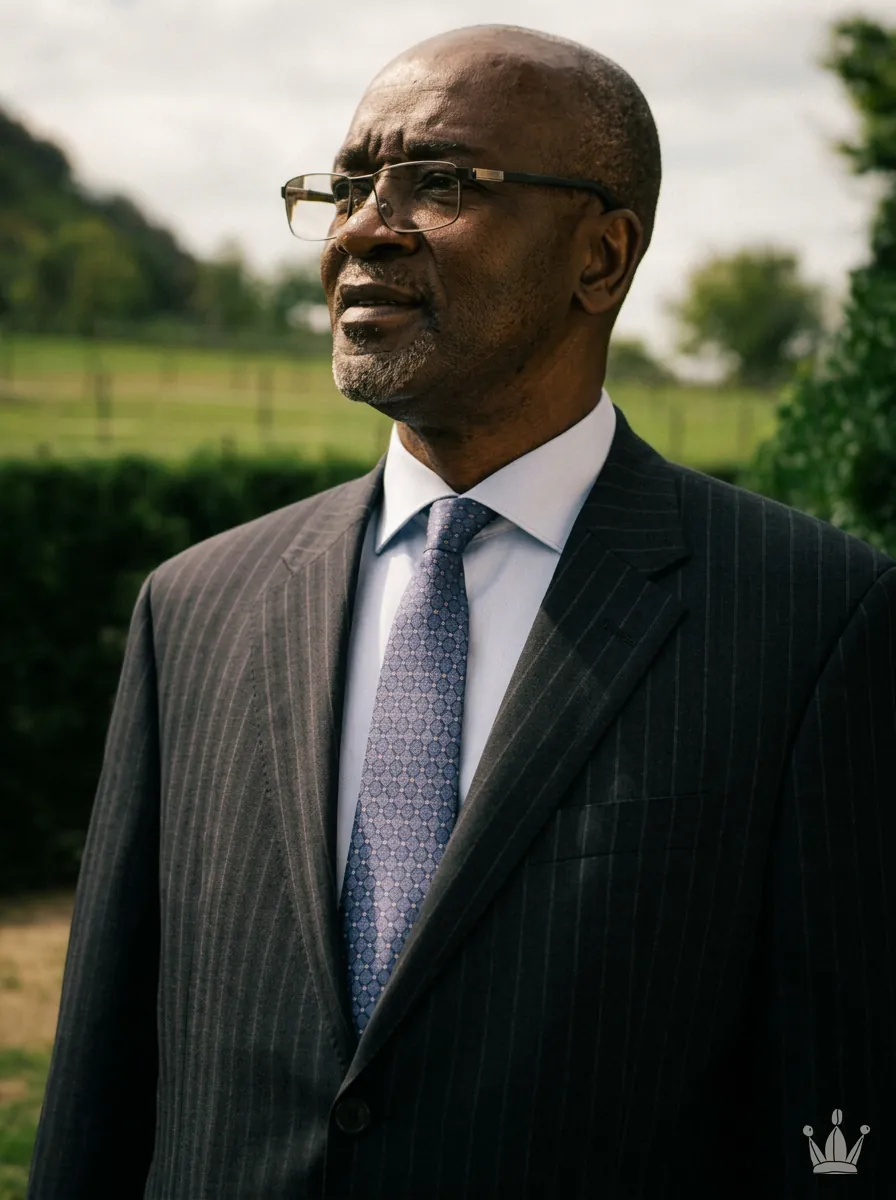
Yanze Kontchou
Building coffee with discipline, dignity and end-to-end care.
Cover story · 14 min read · 9 chapters
Cover Story · The Founder · The full story
Yanze Kontchou
Building coffee with discipline, dignity and end-to-end care.
00Something neglected for too long
There is a difference between building a company to enter a market and building one because you believe something important has been neglected for too long. Clotaire Yanze Kontchou, founder and CEO of KONTCH's E&E GmbH, belongs to the second category.
Before coffee, before the language of terroir, roasting profiles and customer-tailored creation, he was already operating in a world that demanded rigor. He spent more than 20 years in pharmaceutical operations, trained as a scientist, and built his career in systems where discipline, results and accountability were not optional. But success has a way of clarifying what is missing as much as it confirms what is working.
After several projects he noticed a pattern. Instead of hearing "Good job", he heard "You are lucky." That distinction stayed with him. It suggested a world too ready to dismiss effort when it became uncomfortable to acknowledge it, and it forced a deeper question: if his next step was going to matter, what should it stand for?
His thoughts returned to his mother, managing the family farm in Cameroon. He began visiting wine producers. He studied coffee not as an everyday beverage but as a product full of subtlety, variation and unrealized dignity: a crop shaped by land, climate, handling, biology, patience and human judgment, yet still treated like a commodity. Most people, as he put it, simply grab a coffee.
“What could coffee become if it were respected from beginning to end?”
01Origin, legacy and the weight of a name
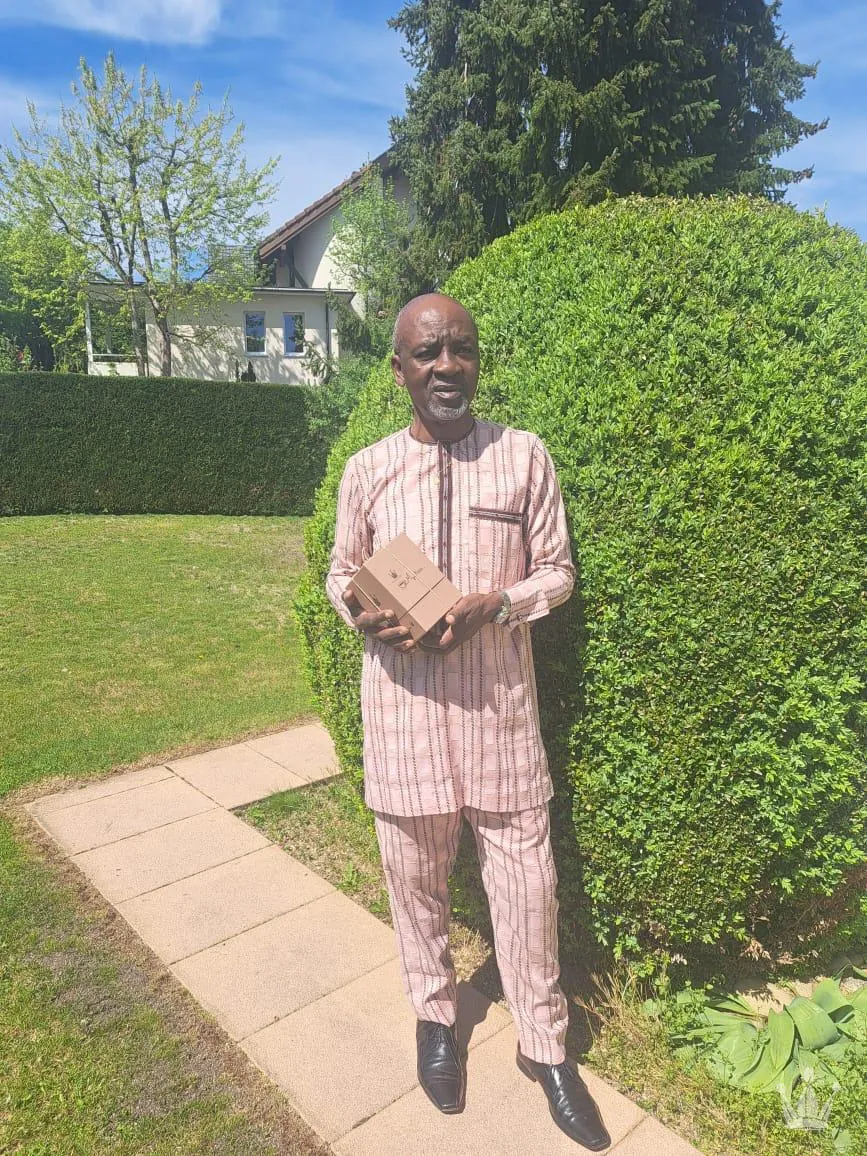
Yanze's entry into agriculture was not a departure from science. It was an extension of it. He holds a Doctorate in Applied Microbiology and a Habilitation in natural sciences, with research on the biodegradation of herbicides such as s-triazines, including the YAYA6 strain, especially active in the mineralization of Atrazine. He does not speak about agriculture as if it were less exacting than laboratory work. Quite the opposite: he sees it as science in practice, and coffee as one of its most attractive forms, because it forces you to work with living systems and consequences that cannot be argued away.
KONTCH's E&E is a compression of his family name, Kontchou. He does not describe it as branding. He describes it as a legacy: a modest contribution to something larger than himself, which someone else may one day carry further in their own way. The 'E & E' honours two women: his grandmother Elisabeth, who embodied excellence in all she did, and his mother Emilie, whose character he describes as exclusive, without comparison.
“We grow coffee with love.”
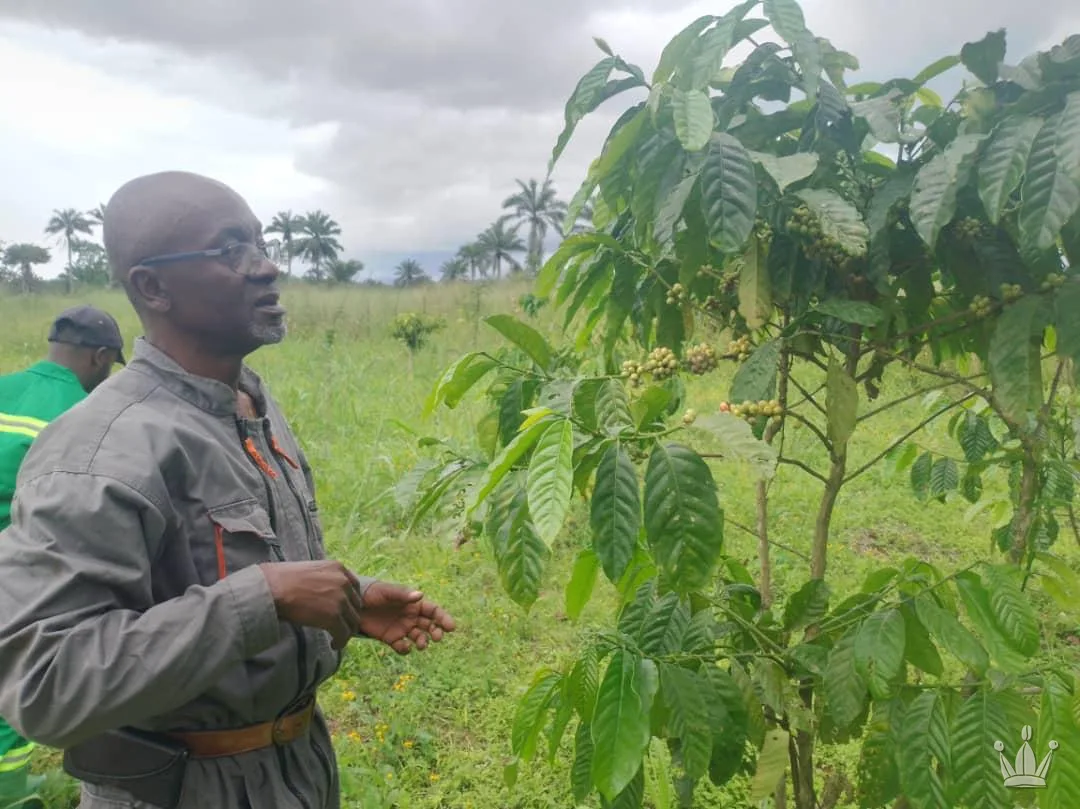
He is not describing a marketing mood board. He remembers his grandmother saying that when she went to the farm, she was going to visit her second family. That line could have remained a memory. Instead it became a method. At KONTCH's the farm is not a generic unit of production: the company looks at individual trees, their specific needs and their likely contribution to future harvests. Selection, care and observation happen at that level. There is nothing theatrical about it. It is patient and operational.
02The hardest days usually tell the truth
Founders are often invited to tell the triumphant version of difficulty. Yanze's hardest days sound less polished. Financing support was not there in the way he needed it to be. He also faced the familiar chorus: too complicated, others are already doing it another way, why make this harder than it needs to be.
He heard in part a lack of courage to innovate. If others found the path too difficult, that made him more certain, not less, that he was on the right one. The difficulty itself became evidence. Real friends, he says, helped steady him: outside voices that did not simply applaud, but confirmed that the hard road is not necessarily the wrong one.
The shape of that road is clearest in KONTCH's end-to-end model, and here the phrase is literal. Planting is linked to tree selection, with harvests expected in three to five years. Growing is handmade, attentive and responsive to each region. Harvesting follows defined clustering. Roasting is driven by intent, from the customer's Coffee Creator blend or a planned special edition. Shipping goes through the channel suited to the customer. At each stage, control is not decorative but necessary.
- Plant
- 3–5 yrs
- Grow
- By hand
- Roast
- To intent
- Ship
- To you
The essential question for him is not merely how to move something from point A to point B. It is what exactly is being moved, what care it needs along the way, how it can be improved, and what truly requires satisfaction. That is the language of supply chain, but it is also the language of stewardship. Even his ISO 22301 Lead Auditor certification enters as practice rather than credential: identify points of failure, build mitigation around them, protect continuity.
03Discipline in agriculture is a moral choice
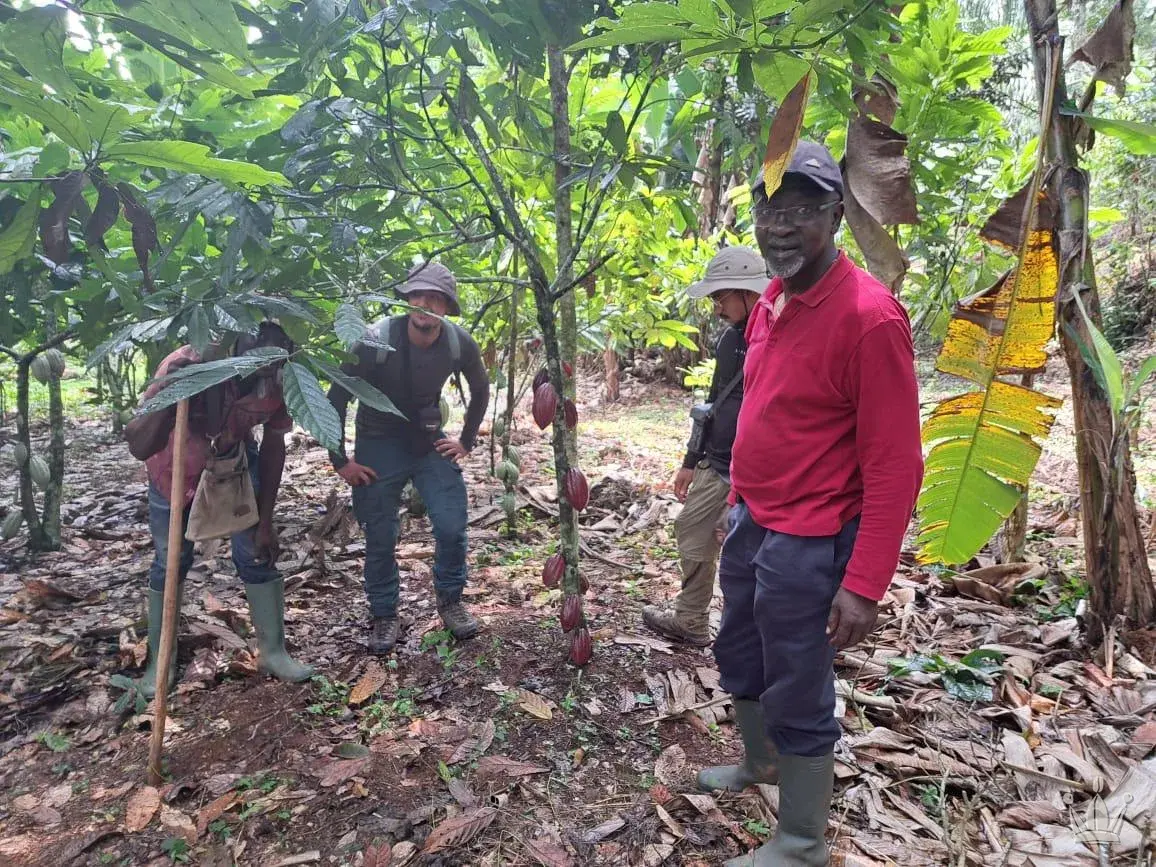
One of the hardest parts of Yanze's work lies not in selling coffee but in defending a philosophy of cultivation that asks for patience in a world that rewards short-term yield. Convincing farmers in Cameroon to adopt organic, chemical-free polyculture is not easy, and he does not pretend otherwise. But he resists the idea that difficulty should disqualify conviction.
His argument is not only ecological. It is human. Chemical-free polyculture can mean trading short-term yield for long-term soil health, but it is also about consumers' health and quality of life. The costs and benefits of agricultural choice do not end at the edge of the farm. They travel all the way to the person holding the cup.
The same insistence on specificity shapes the three tiers, determined after harvest. Diamond beans are the most complete expression of what nature offered that season and place, shaped by light, sun, water and the nutrients typical of the area. Platinum reflects the region directly, with the finer specificities of the place of harvest. Gold covers beans that may have been marked in drying or do not immediately reveal terroir, yet through subtle roasting still reach the required quality, used largely for milled presentations. It is not a hierarchy of worthlessness and perfection, but of nature's visible signatures, interpreted with care.
The same logic governs 'tailor-made'. Through the Coffee Creator, KONTCH's responds to specific wishes rather than forcing people into a rigid offering. It is a refusal to treat the drinker as generic.
04Switzerland, Cameroon and a different standard of trust
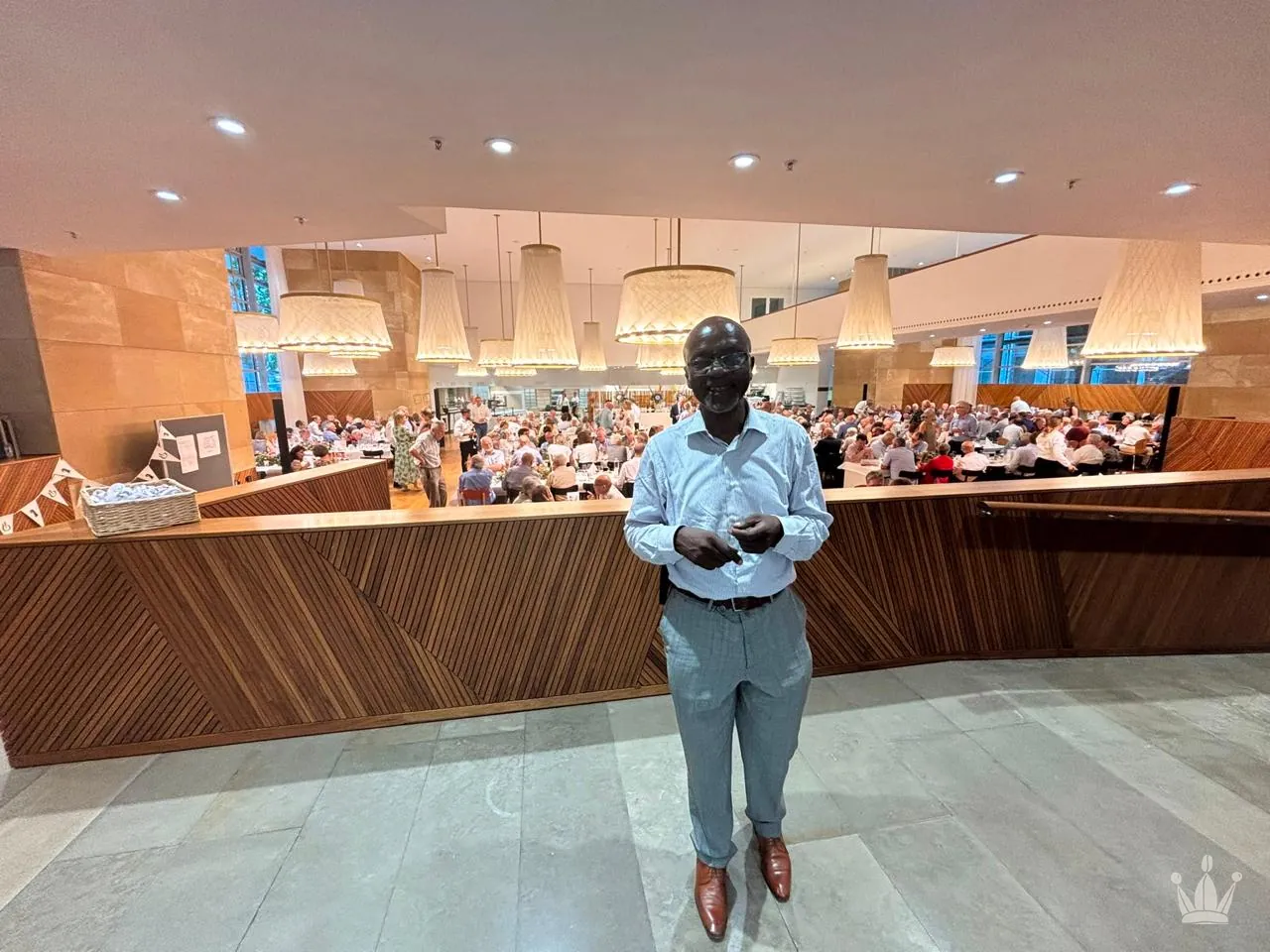
KONTCH's is Swiss-registered and globally positioned, but its foundation is Cameroonian agriculture and expertise. Yanze came to Europe as a young adult to finish his studies and spent many years in Swiss companies, absorbing what he sees as their core strengths: quality, innovation and professionalism. He feels at home in both countries.
He is not trying to make European buyers 'understand Cameroon' in some abstract sense. He wants to bring them something achieved together. It resists both exoticism and defensiveness. The point is not explanation. The point is excellence, built across geographies without diluting either.
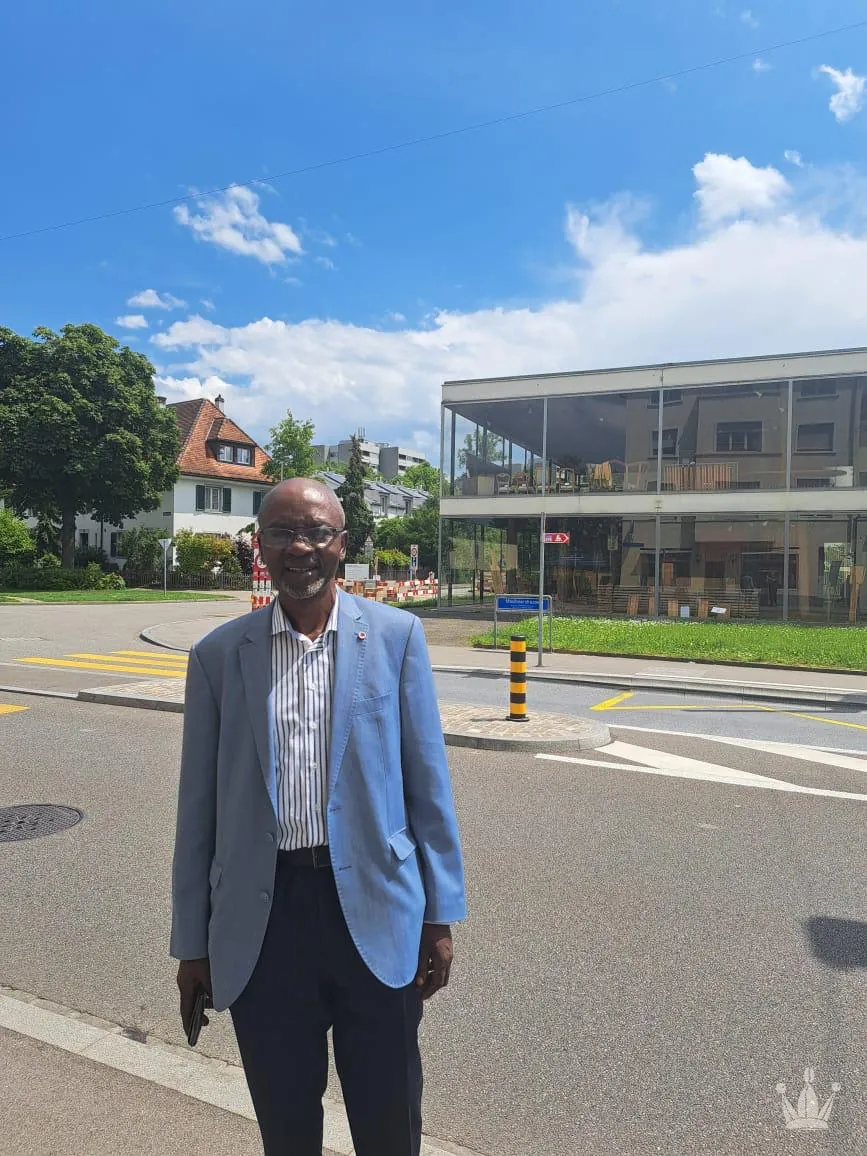
In a market crowded with sustainability claims, KONTCH's leads with traceability. Being scientific, Yanze suggests, simply means he may understand something about science. The more important proof lies in whether customers love the product, whether the company keeps improving, and whether people are willing to come and see for themselves.
KONTCH's does not yet have third-party certification, and he does not hide it. A good meal at home does not become good because the cook wears a chef's cap. It becomes good because it is, in fact, good. That answer separates ornamental trust from lived trust.
05Who the business is for
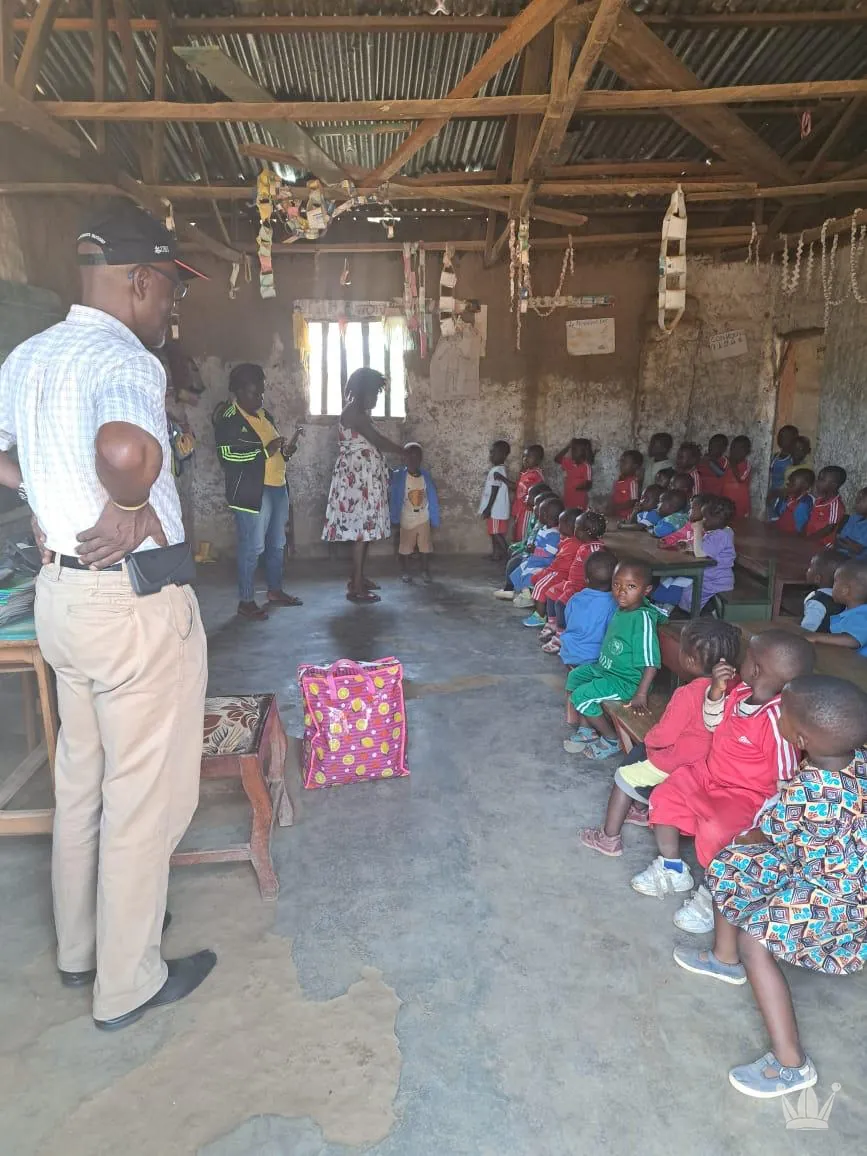
He is direct about what the Elisabeth & Kontchou non-profit is not. It does not exist to make KONTCH's a better business, and that was never its purpose. In his family, he says, there is a kind of support gene, a habit of helping those around them as far as they can. The NGO simply structures that impulse.
The same orientation shapes worker compensation. Fairness cannot be reduced to salary alone; it must include the necessary things a person may need, for free. He treats this as obvious. Even his B2B thesis resists aggression: he does not aim to replace a company's supplier, but to complement it, to bring a plus.
06Beyond the field
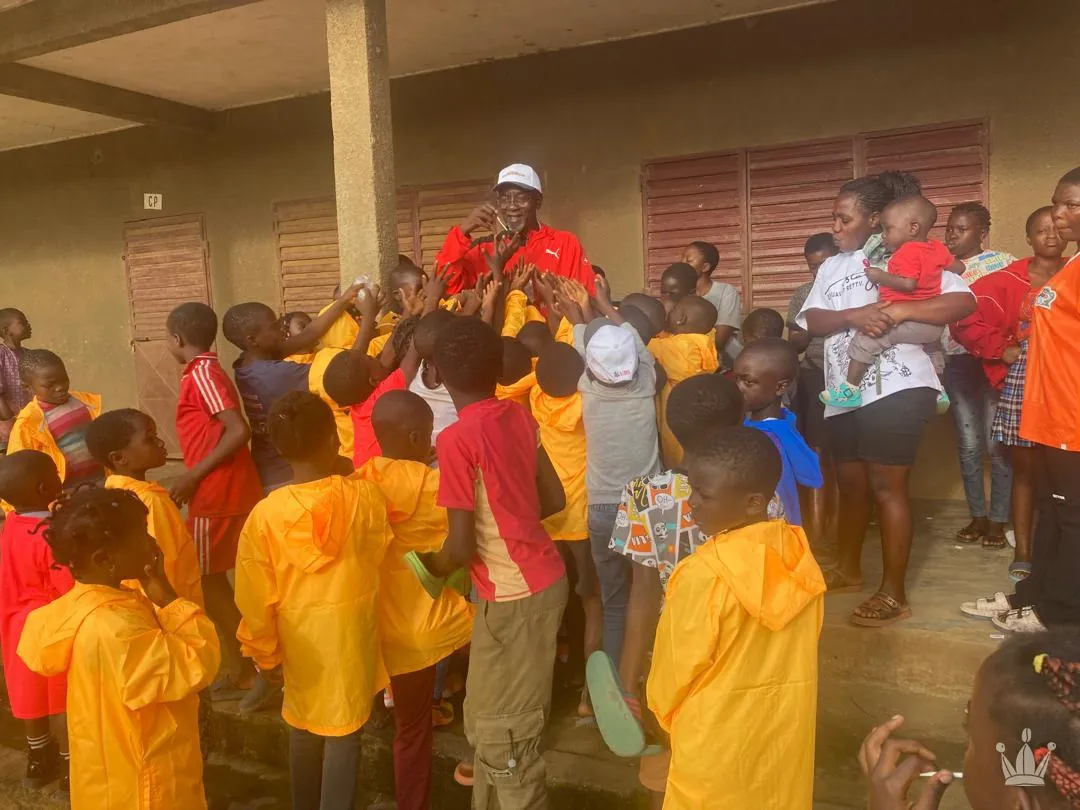
“Giving back is not just a value, it's part of who I am. It's also deeply rooted in the mission of KONTCH's E & E GmbH.”
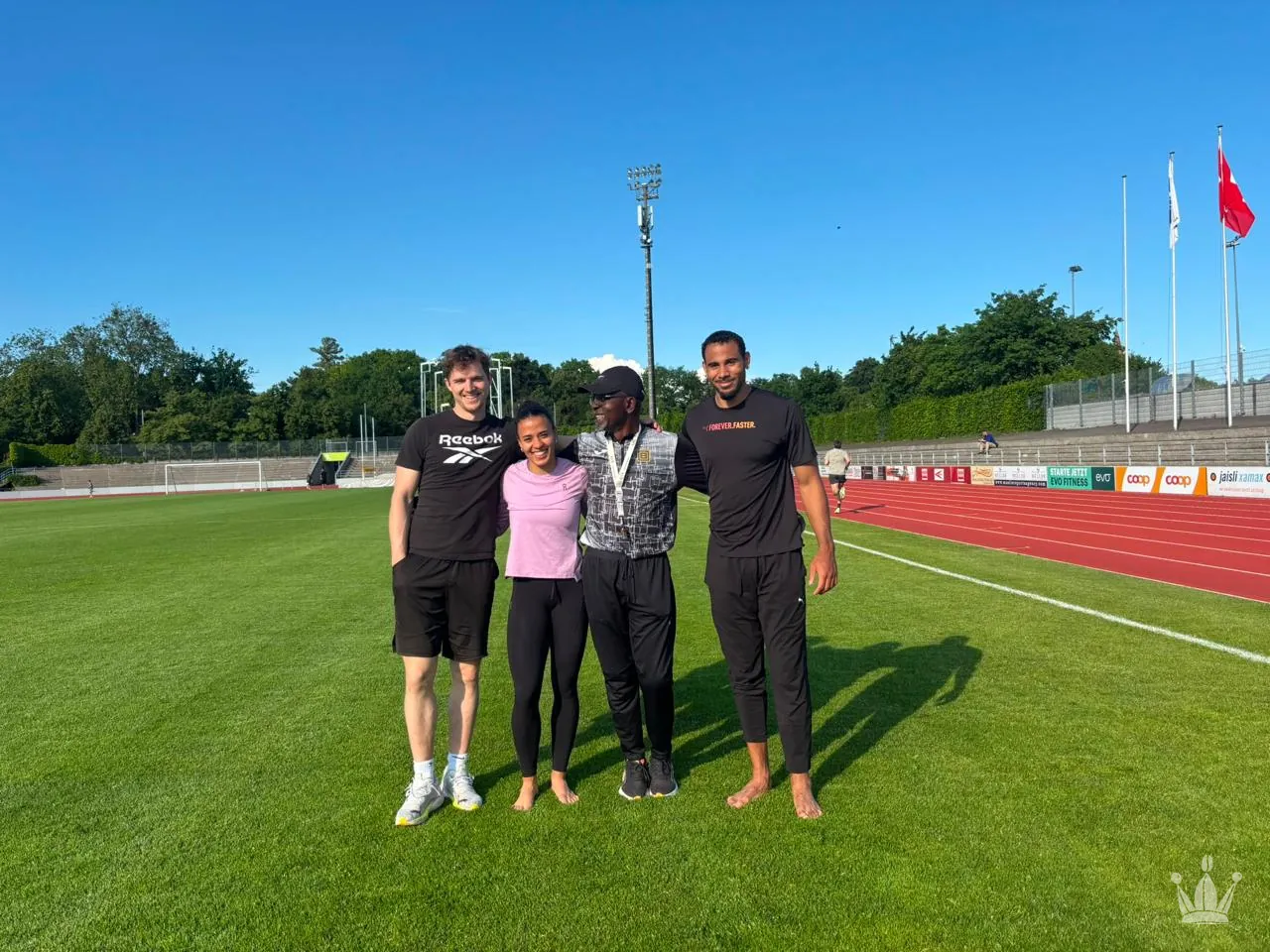
On a recent trip to Cameroon, despite a very tight schedule, he led a training session with BOATS, a small but passionate athletics club he has supported for many years. "There's no official track. No modern facilities. But that's never stopped us. Because where there is passion, resilience and a will to grow, there is always a way forward."
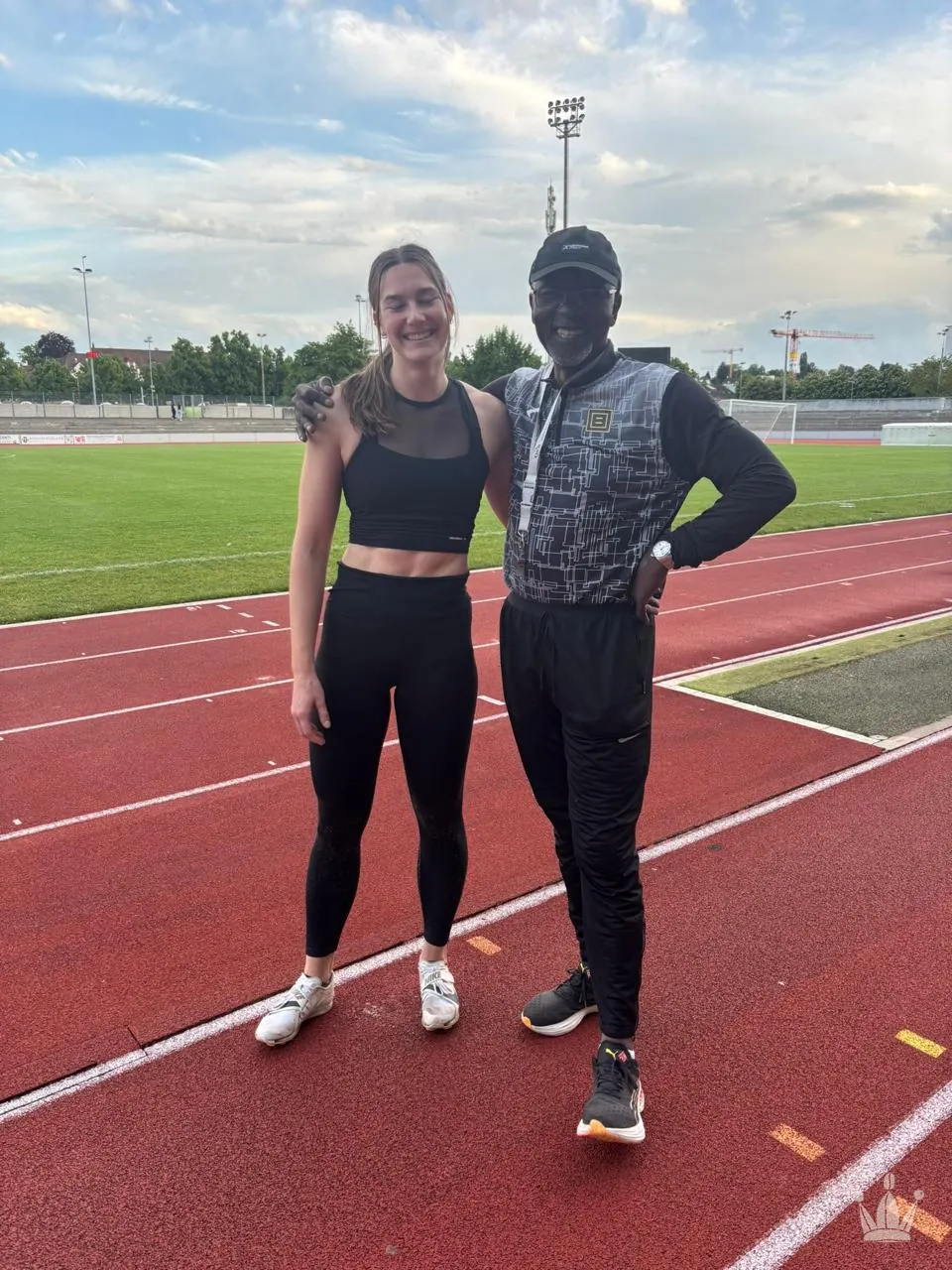
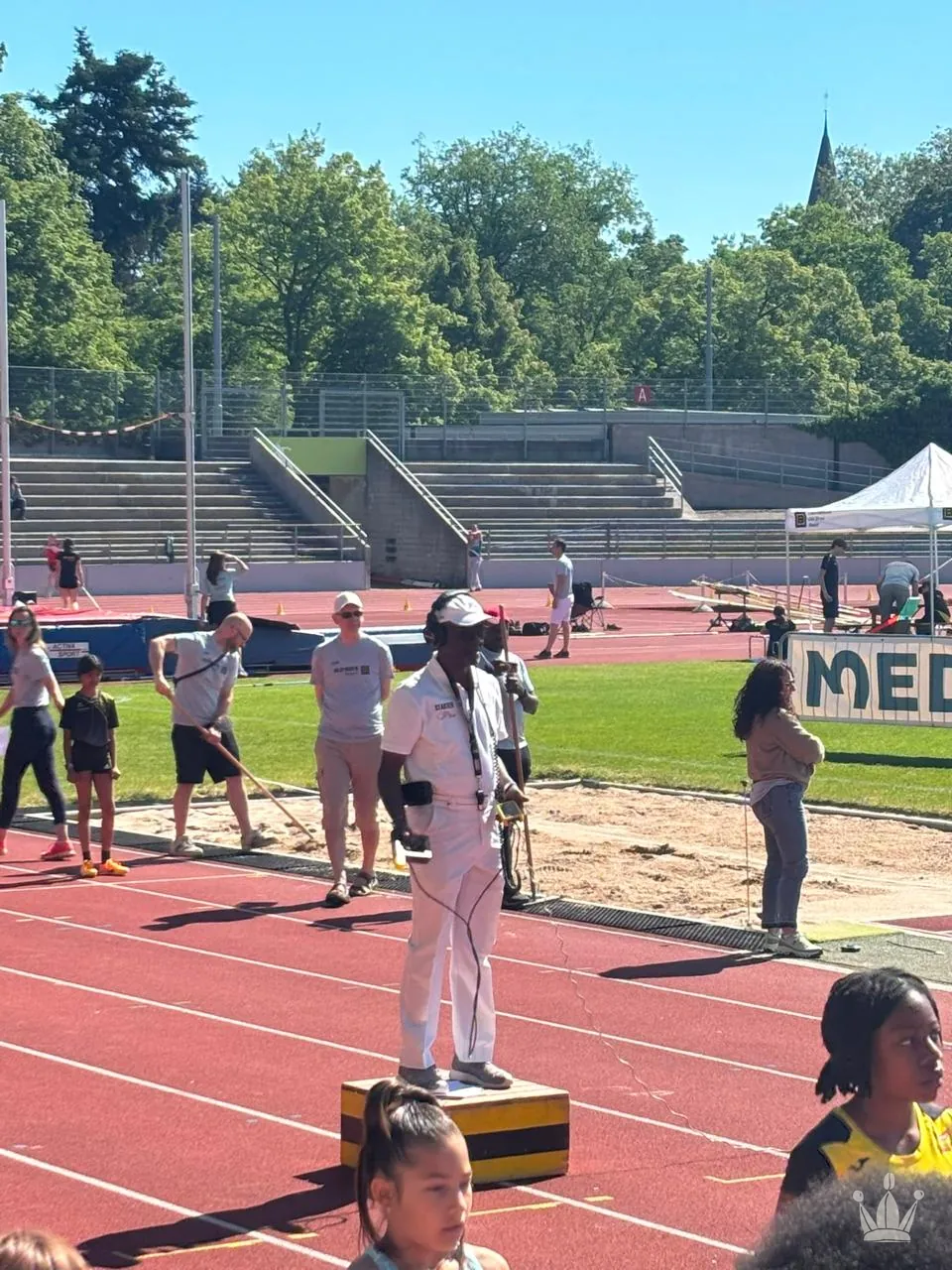
"I am especially grateful to Coach Moluh, whose tireless dedication makes a real difference in the lives of these youth. My sincere thanks also go to LAS Old Boys Basel, LCB Basel, UBS Kids Cup, Weltklasse Zürich and all the generous supporters who've helped with equipment and resources over the years." For Yanze, cultivating coffee and nurturing young talent ask for the same things: a long horizon, meticulous care and structure.
“Sport is more than competition, it's connection, discipline and opportunity. And I'm proud to contribute, in any way I can, to building that future.”
07The conversation coffee still avoids
Ask him what premium coffee talks about too little, and he goes straight to vagueness. "Coffee from Brazil," he points out, "tells you almost nothing useful. Brazil is vast." No serious buyer expects an exceptional bottle merely labelled 'Wine of Spain'. Coffee still tolerates an absurdly broad language for a product that deserves finer distinction.
It is also why he prefers authentic farm photography taken by the workers themselves. Edited imagery can make anything look good, even suffering. Better to help first, then photograph honestly; to show things as they are, or as they have genuinely been improved.
“Do not decorate what has not been earned. Do not simplify what should be understood in detail. Do not claim intimacy with land, workers or consumers if your systems do not prove it.”
08The long horizon
Ten years from now, he speaks less like a man making promises than like one honouring uncertainty. It is his dream; whether it becomes reality remains to be seen. What he knows is that the company works toward it with the energy it has, and that each day, even very small steps matter.
Could a larger company copy it? He does not claim impossibility. He has entered a niche others dismiss as too complex. But cooking steak and roast beef requires different skills; similar ingredients do not produce the same outcome. Technique matters. Judgment matters. Intent matters.
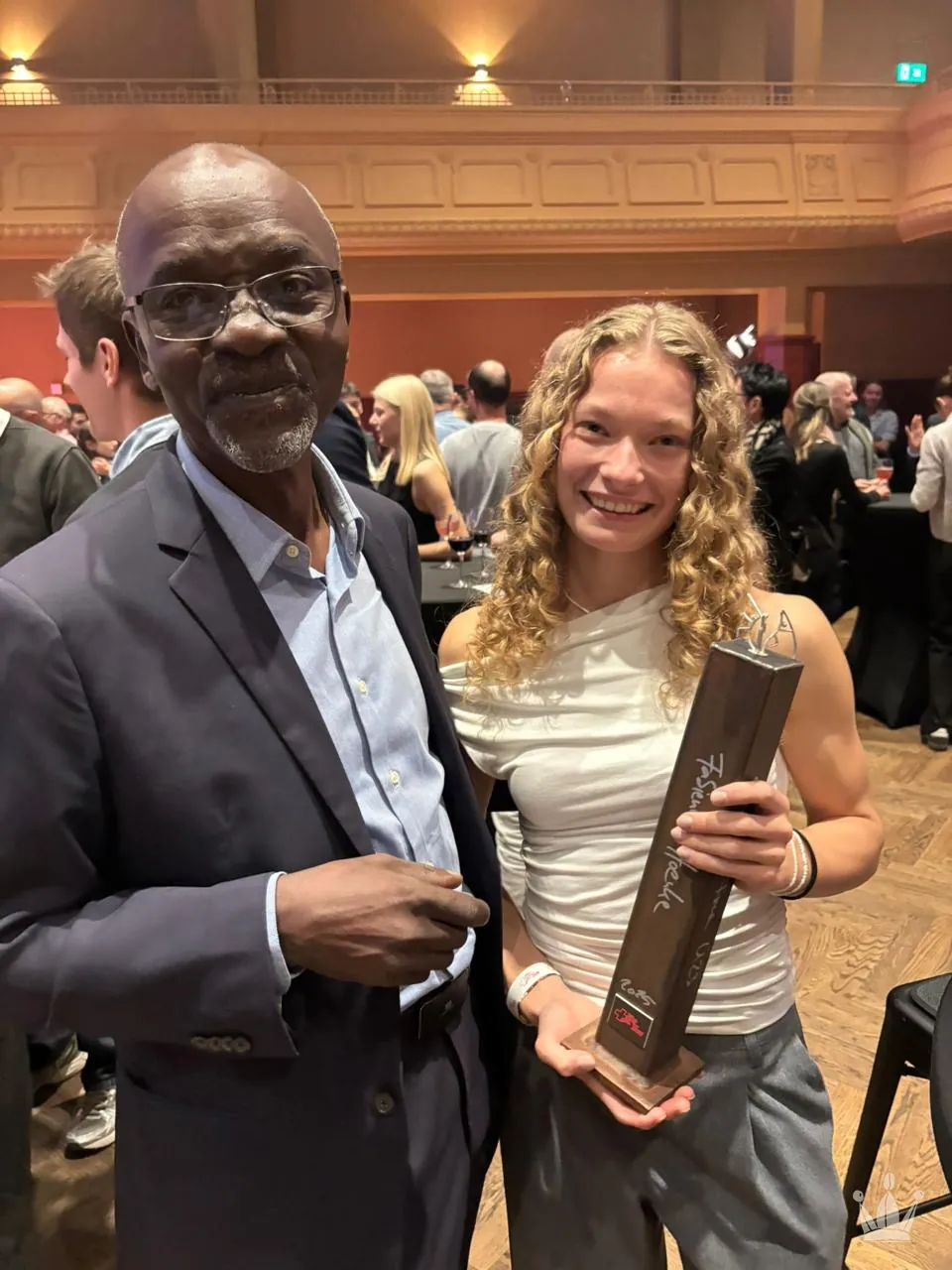
“I didn't build KONTCH's to sell coffee. I built it to prove that discovering naturally grown coffee is embracing excellence and exclusivity.”
- An argument that excellence begins long before roasting.
- An argument that exclusivity should come from integrity, not theater.
- An argument that care, applied precisely enough, can become a system.
- An argument that coffee is not a commodity, but a relationship between land, labor, time and trust.
That is a harder business to build. It may also be the more enduring one.
Read next · The Brand Story
Coffee with lineage, precision and place →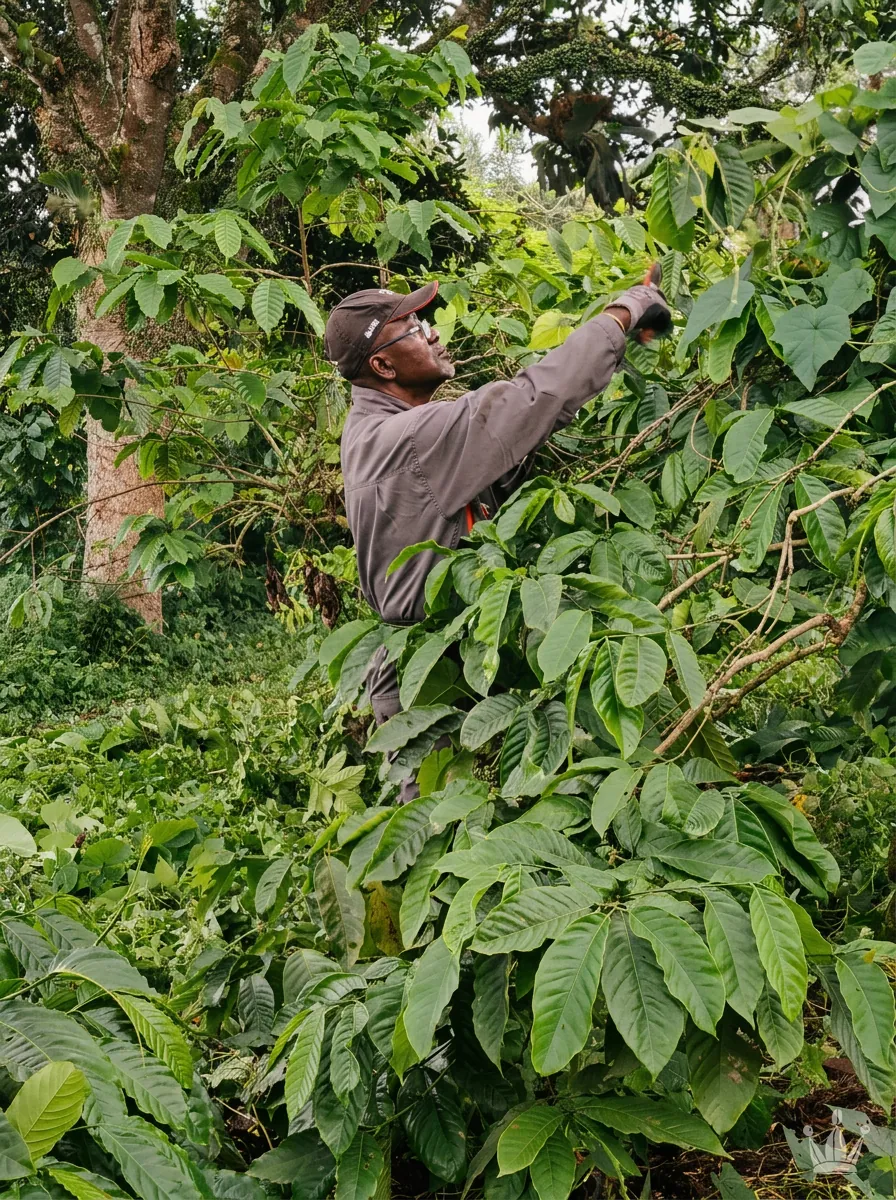
10% off your first order with KONTCH10